UX case study · 2 min read
Help chat experience
- Company
- Infusionsoft
- Discipline
- UX / UI
Executive summary
A simple chat flow that points people to the right help articles first, reducing support calls.
- ~50%Fewer repeat-question calls
- 15K–25KEstimated monthly support calls after launch, down from 25K–30K
- +1–2Point increase on a 5-star call rating (estimated)
The challenge
Support calls were expensive, and many questions already had answers in the help center. Before AI chat tools existed, we set out to design a conversation-based chatbot that guided owners to those answers first, so support agents could focus on harder problems and recommend marketplace tools that helped owners grow.
Users: small business owners using Infusionsoft to improve their marketing campaigns.
Scale: 25,000–30,000 support calls a month, many of them repeat questions, estimated about 50% of calls.
My role
Role: Lead UX designer
Team: 4 people: me, a product manager, a front-end developer and an engineer
Owned: research, conversation flows, UX and UI
Research
I interviewed 8 people from the support team, 5 agents and 3 team leads, and walked through existing support flows with them to learn what customers asked and how agents answered. Support analytics and conversations with managers showed us the most common questions.
Key findings
- A few questions drove most calls. The most common questions had to be matched to the best guided content in our learning management system.
- Two kinds of users. Some owners just wanted a quick answer so they could get back to work. Others needed real help, and they usually ended up with a tier-two agent.
- Some questions shouldn’t be gated. Early versions used keywords and phrases to spot questions that should skip the FAQ and go straight to an agent.
- It had to feel human. A robotic chat would frustrate owners, so the conversation needed a natural, simple pattern.
The flow
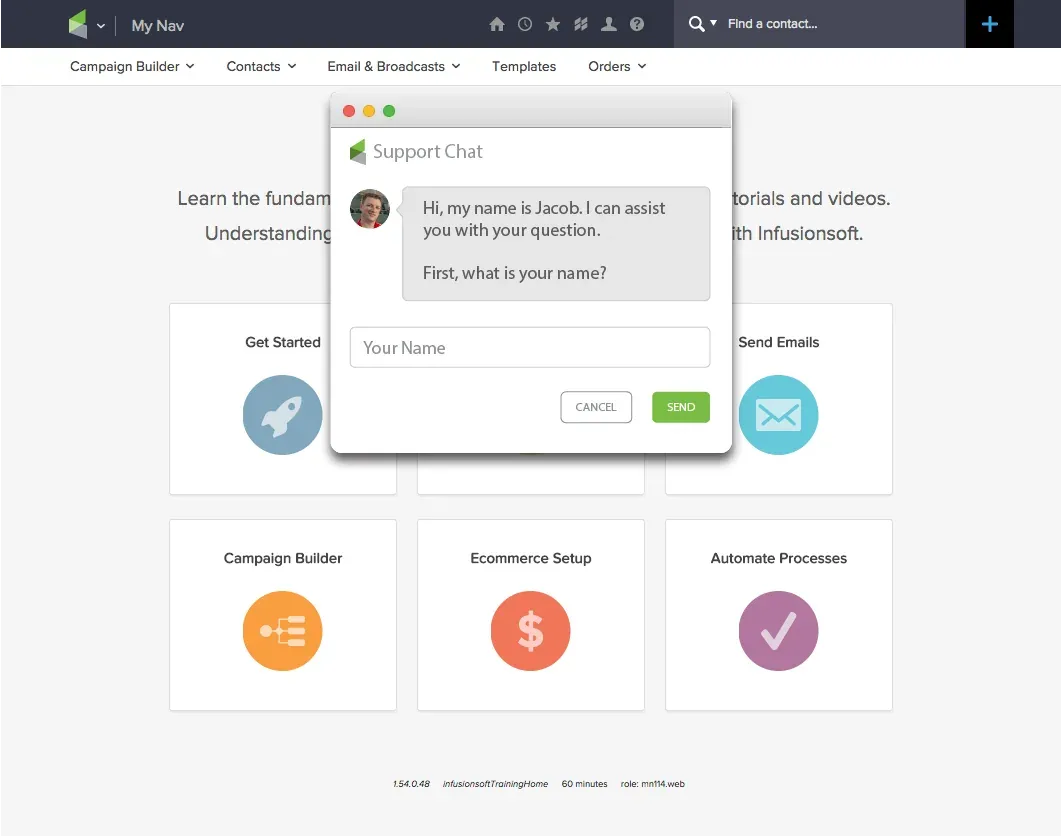
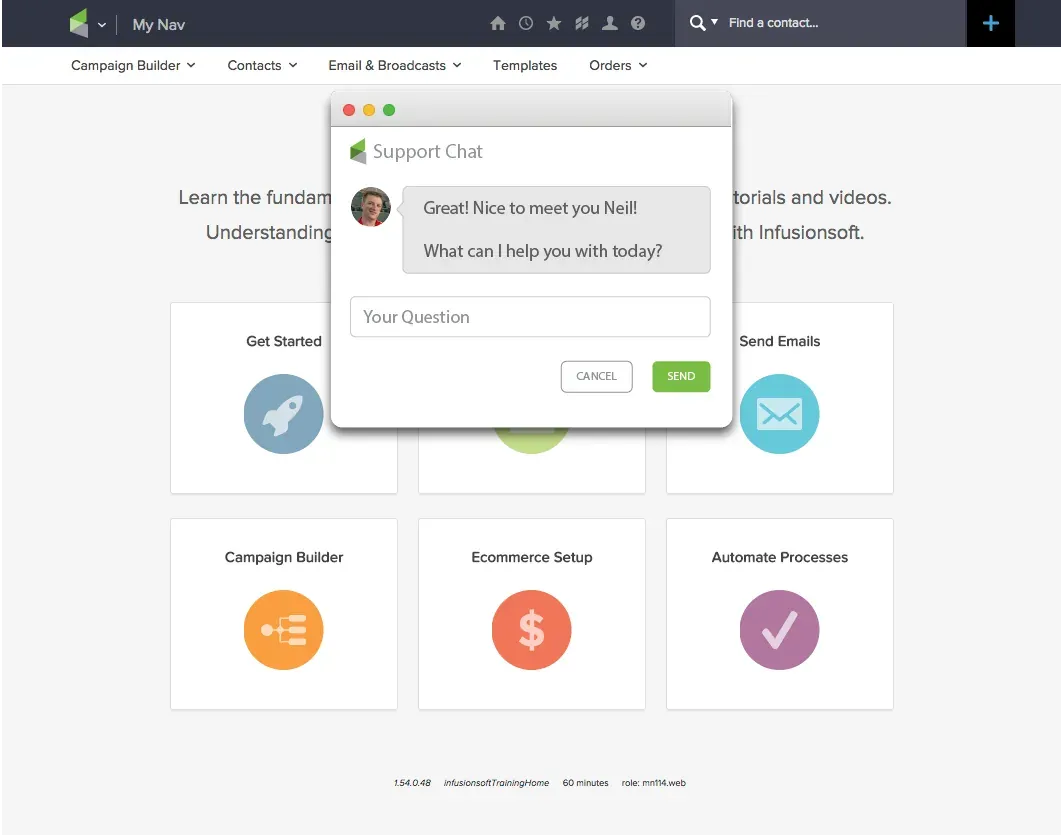
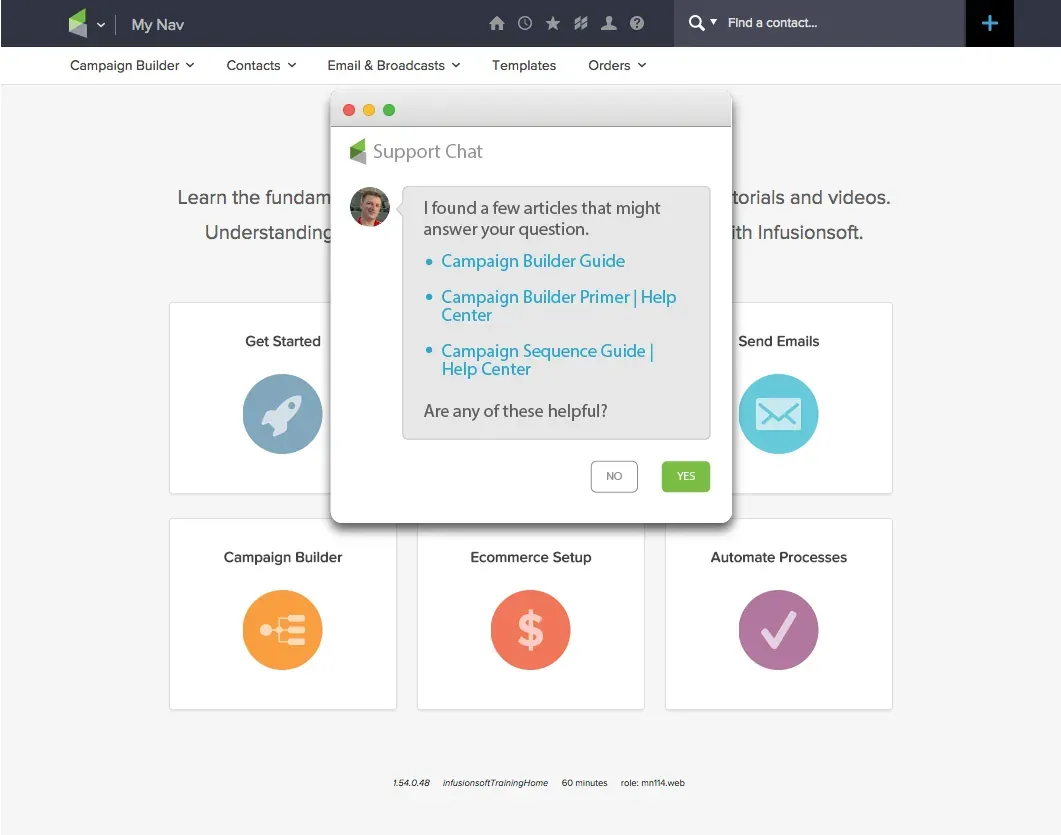
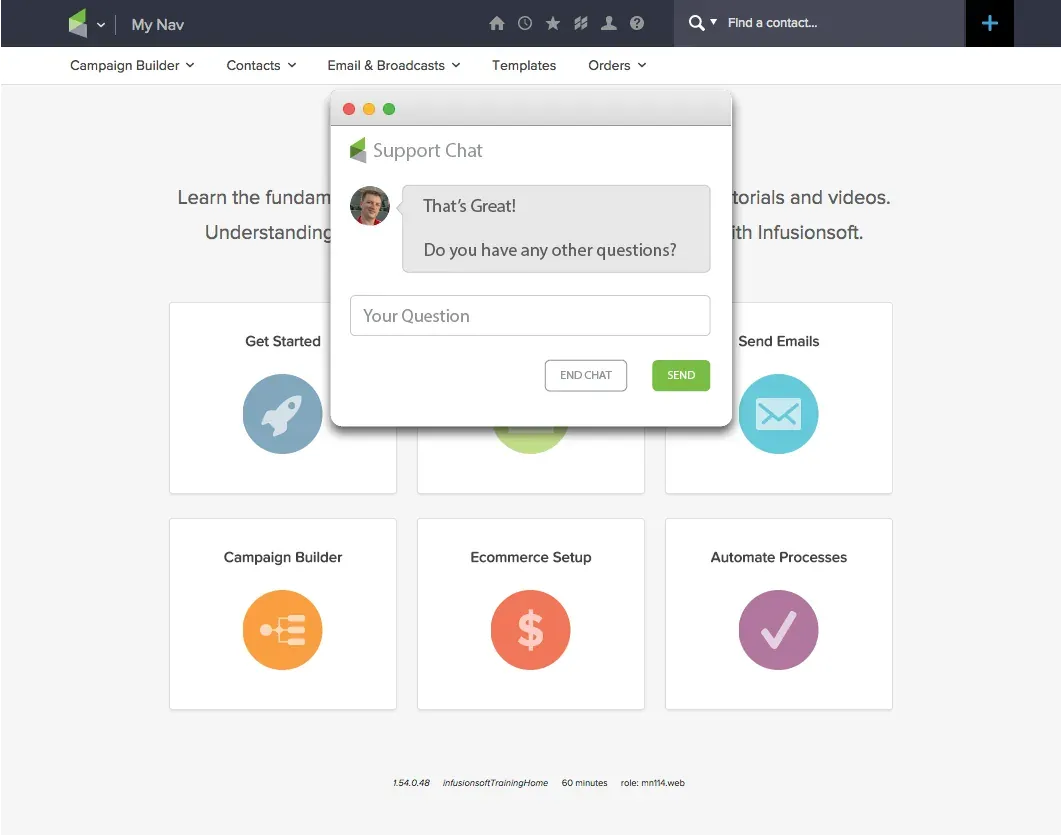
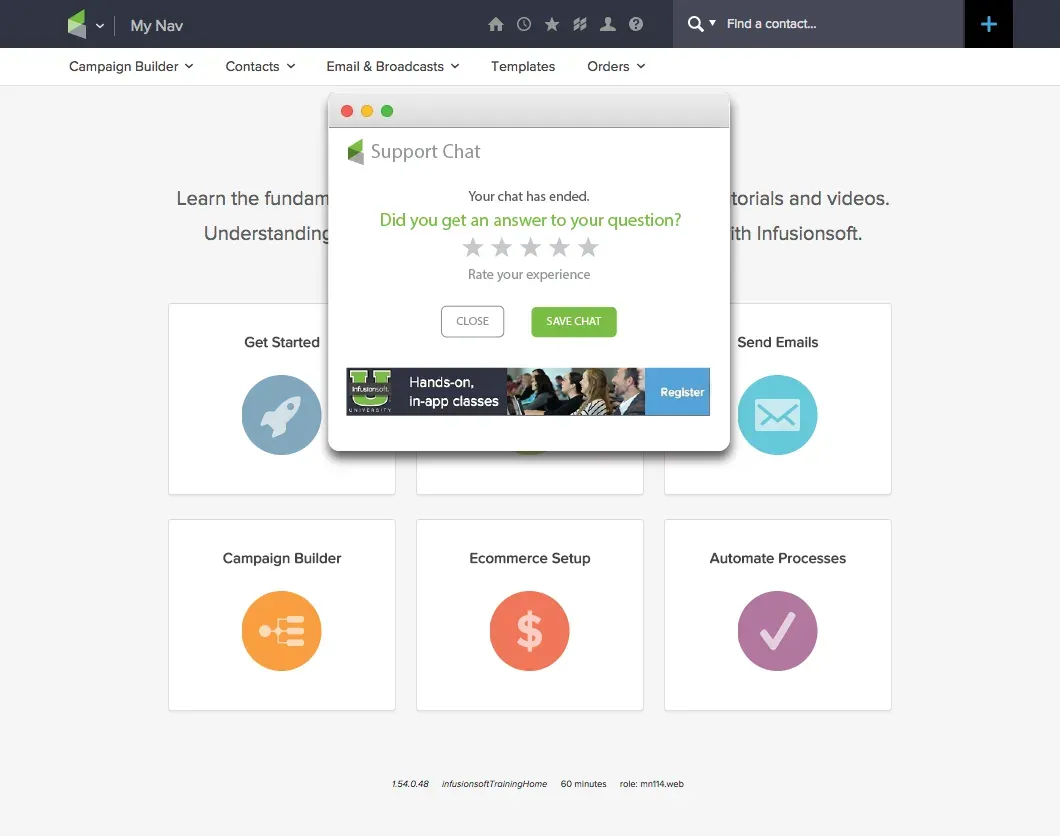
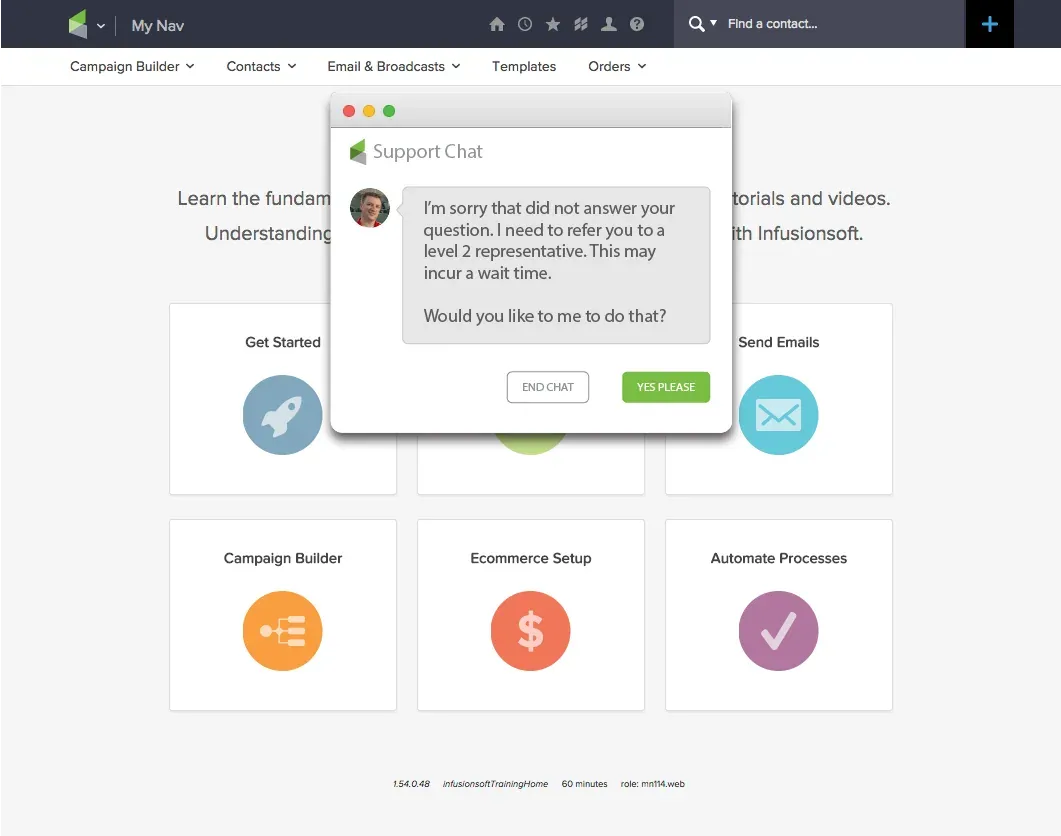
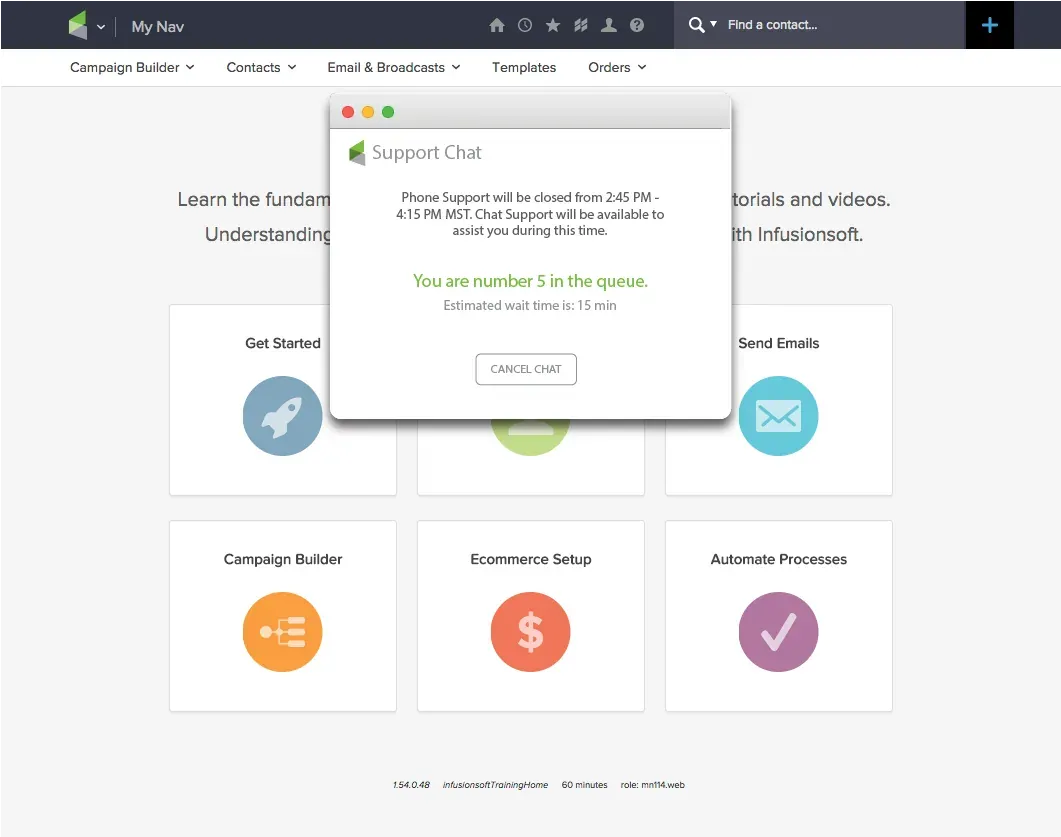
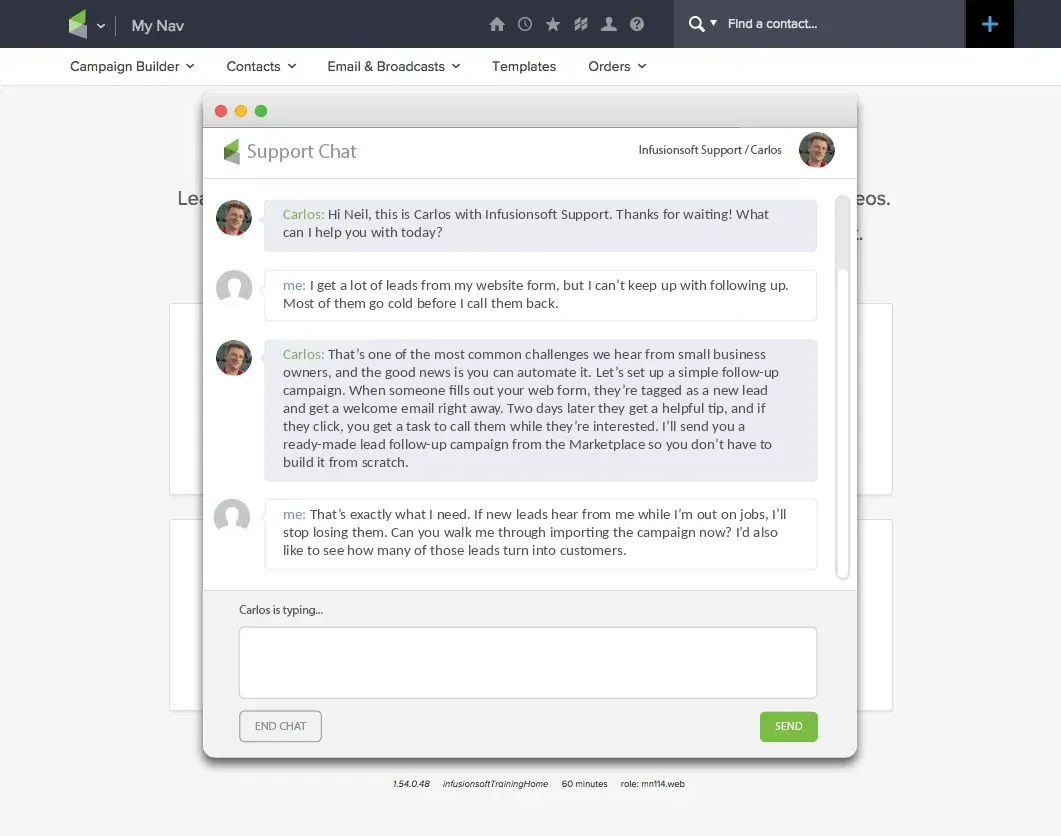
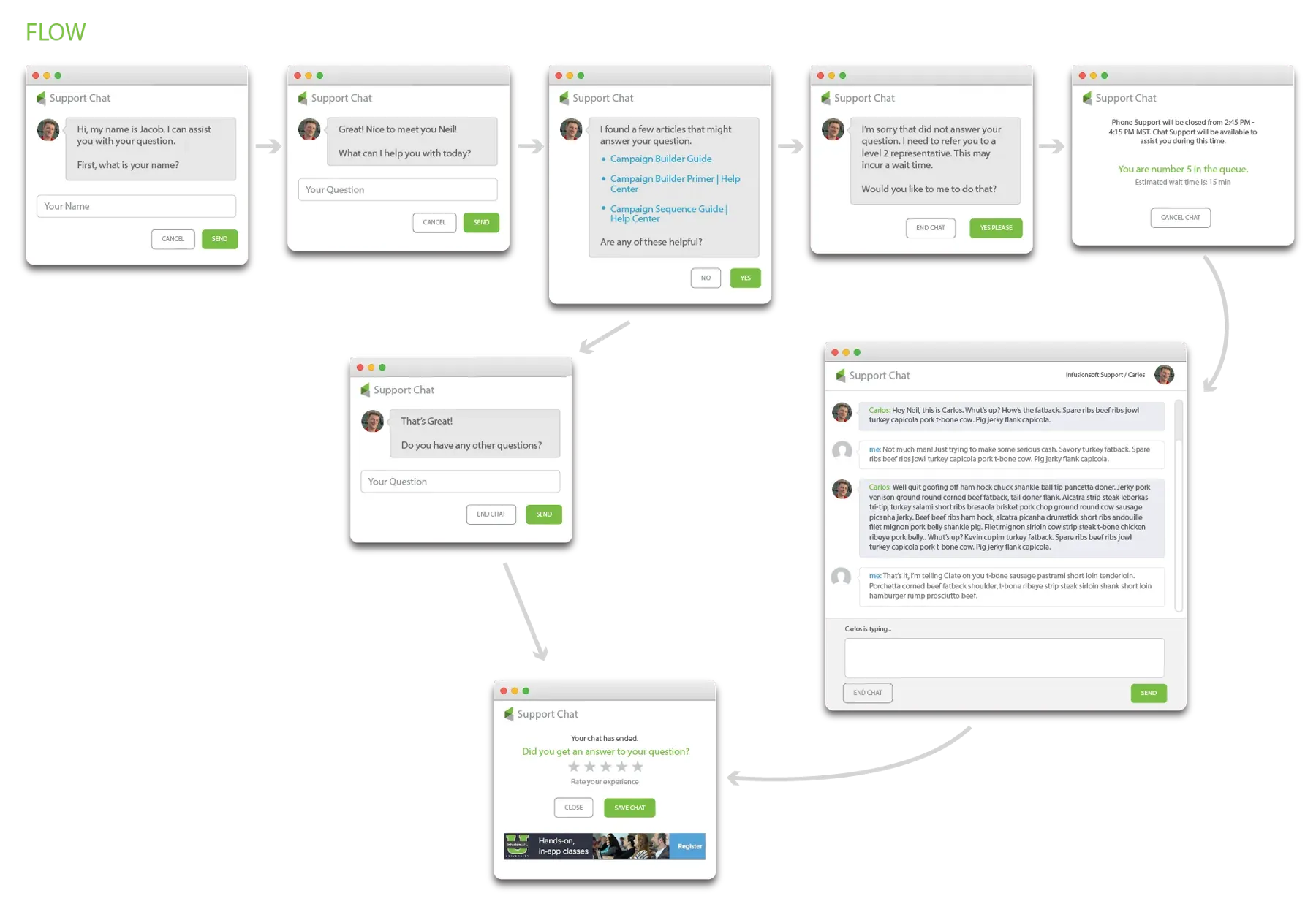
The experience follows nine steps: get the person’s name, ask their question, recommend articles, check whether the recommendation fit, rate the experience, and, if needed, refer them to a new agent with a visible place in the queue and a chat board.
Outcome
The chatbot answered common questions before they reached an agent. Owners who needed a quick answer got one, and those who needed real help reached support faster.
Results
- About 50% fewer repeat-question calls: monthly support calls dropped from 25,000–30,000 to an estimated 15,000–25,000.
- A 1–2 point increase in call ratings (estimated): agents had more time for complex issues, and owners felt it.
- More time for growth: support could focus on recommending marketplace tools instead of answering the same questions.
Process and screens